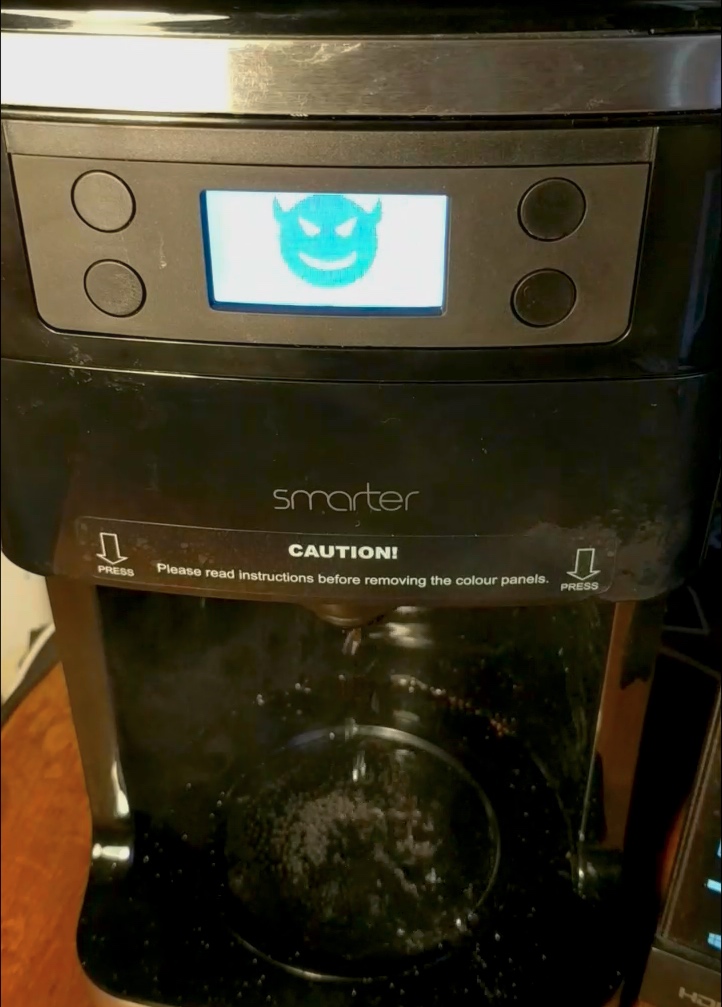
With the name Smarter, you might expect a network-connected kitchen appliance maker to be, well, smarter than companies selling conventional appliances. But in the case of the Smarter’s Internet-of-things coffee maker, you’d be wrong.
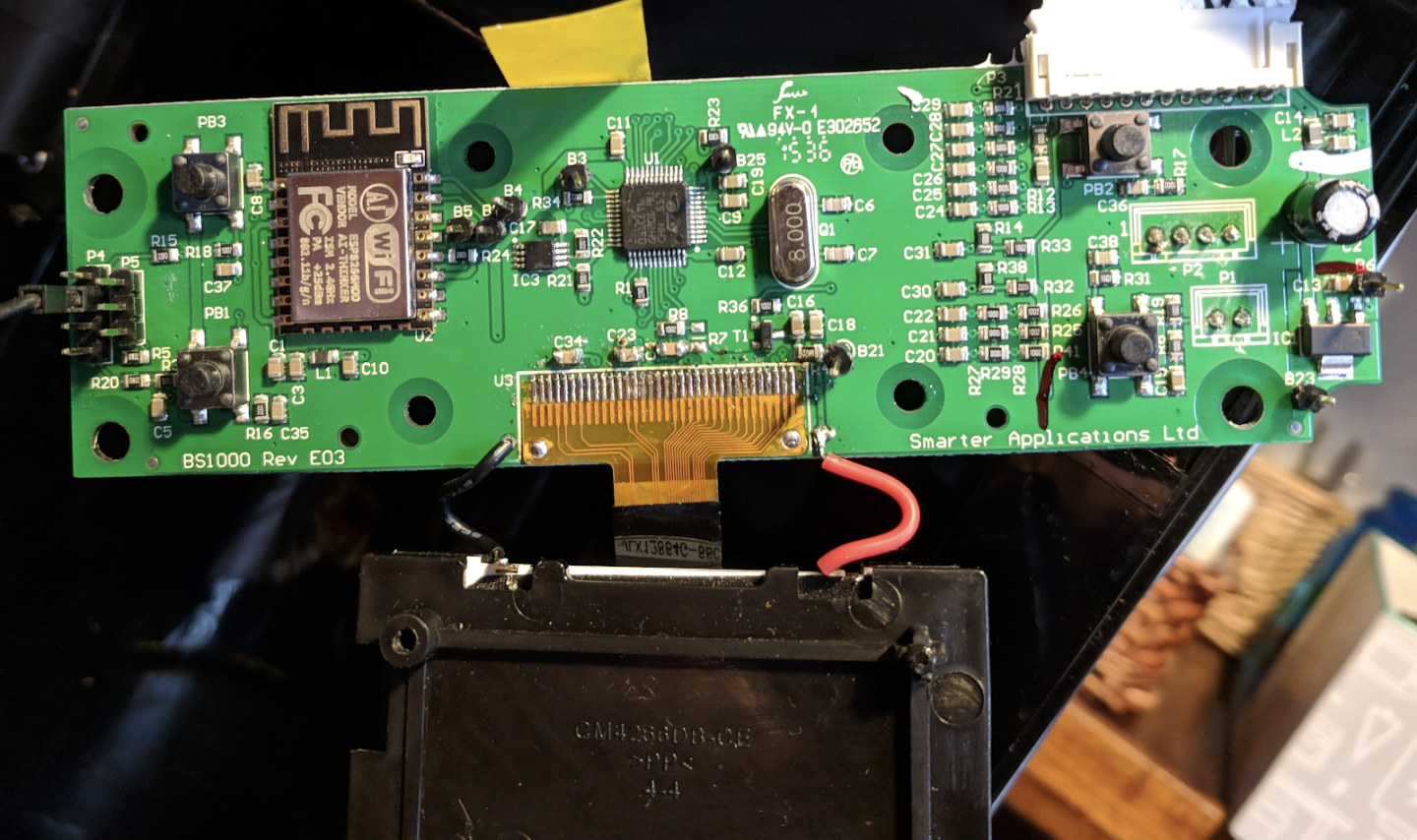
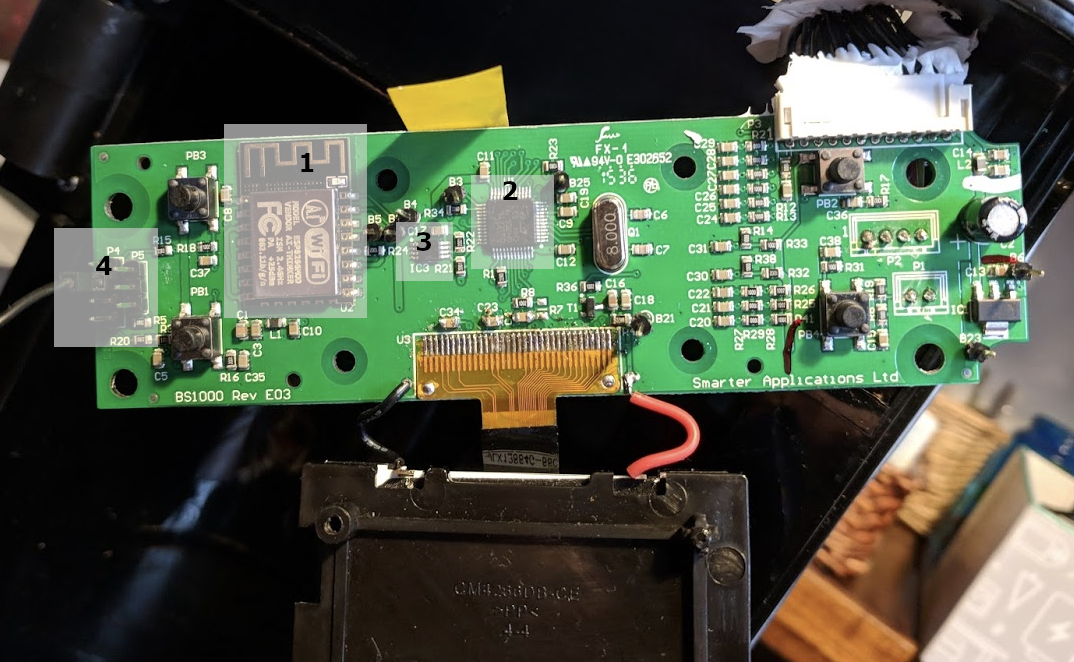
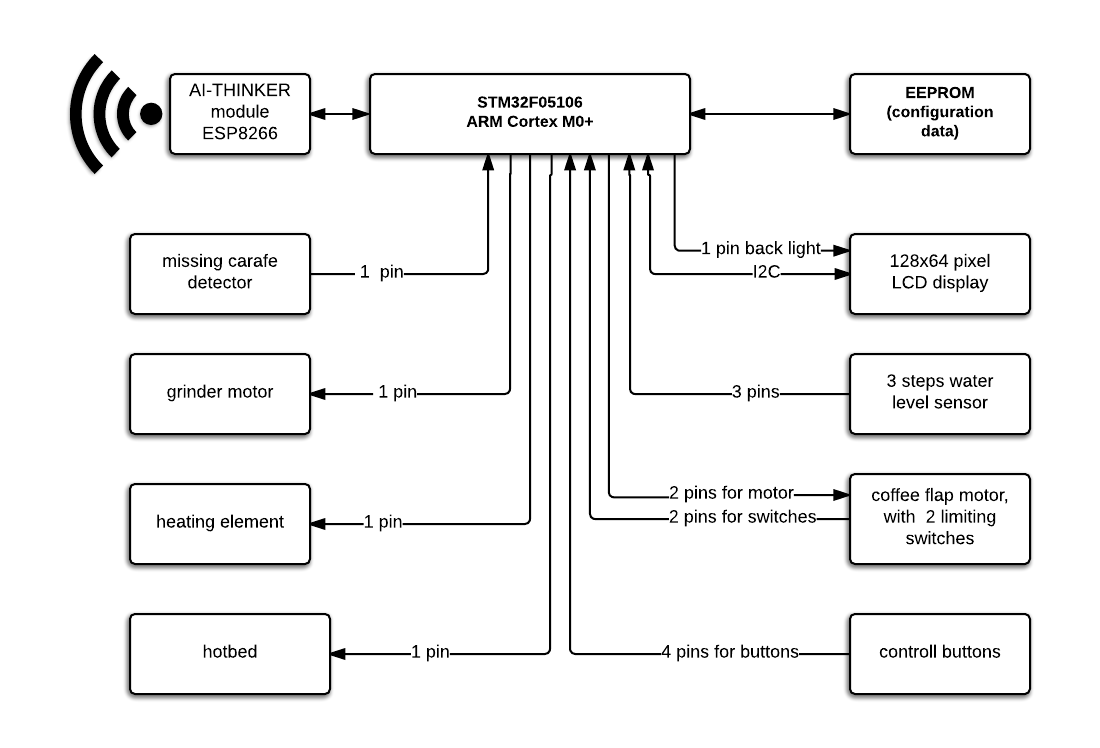
Security problems with Smarter products first came to light in 2015, when researchers at London-based security firm Pen Test partners found that they could recover a Wi-Fi encryption key used in the first version of the Smarter iKettle. The same researchers found that version 2 of the iKettle and the then-current version of the Smarter coffee maker had additional problems, including no firmware signing and no trusted enclave inside the ESP8266, the chipset that formed the brains of the devices. The result: the researchers showed a hacker could probably replace the factory firmware with a malicious one. The researcher EvilSocket also performed a complete reverse engineering of the device protocol, allowing remote control of the device.
Two years ago, Smarter released the iKettle version 3 and the Coffee Maker version 2, said Ken Munro, a researcher who worked for Pen Test Partners at the time. The updated products used a new chipset that fixed the problems. He said that Smarter never issued a CVE vulnerability designation, and it didn’t publicly warn customers not to use the old one. Data from the Wigle network search engine shows the older coffee makers are still in use.
As a thought experiment, Martin Hron, a researcher at security company Avast, reverse engineered one of the older coffee makers to see what kinds of hacks he could do with it. After just a week of effort, the unqualified answer was: quite a lot. Specifically, he could trigger the coffee maker to turn on the burner, dispense water, spin the bean grinder, and display a ransom message, all while beeping repeatedly. Oh, and by the way, the only way to stop the chaos was to unplug the power cord. Like this:
“It’s possible,” Hron said in an interview. “It was done to point out that this did happen and could happen to other IoT devices. This is a good example of an out-of-the-box problem. You don’t have to configure anything. Usually, the vendors don’t think about this.”


 Loading comments...